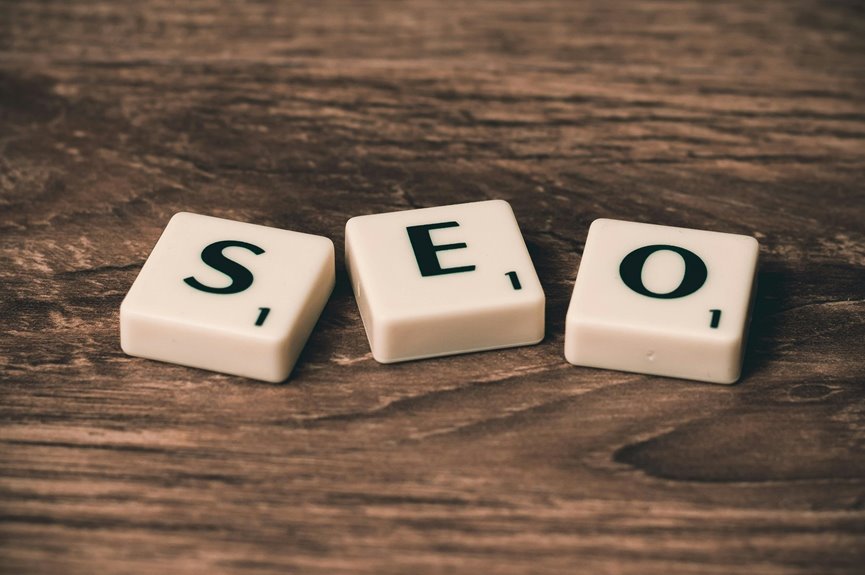
Professional website optimization is essential for businesses seeking to enhance their digital footprint. By prioritizing content quality, loading speed, and user experience, companies can significantly improve visitor engagement and retention. Furthermore, integrating SEO best practices ensures greater visibility in a competitive landscape. However, many organizations overlook critical performance analysis tools that can reveal underlying issues. Understanding these aspects can transform a business’s online strategy, leading to increased brand loyalty and revenue growth. What steps can be taken to achieve this?
How to Effectively Optimize Your Business Website
To effectively optimize a business website, a strategic approach is essential.
Prioritizing content quality ensures that information is relevant and engaging, attracting and retaining visitors.
Additionally, improving loading speed is critical, as slow websites deter potential customers and diminish user satisfaction.
Top User Experience Tips for Effective Website Optimization
Although many businesses recognize the importance of website optimization, understanding how user experience directly influences conversion rates is crucial.
Prioritizing loading speed enhances user satisfaction, minimizing bounce rates.
Furthermore, ensuring mobile responsiveness caters to the growing audience accessing sites via smartphones.
Implementing SEO Best Practices for Maximum Visibility
A well-optimized website extends beyond user experience; it encompasses the strategic implementation of SEO best practices to enhance visibility in search engine results.
Effective keyword research informs a robust content strategy, ensuring relevant topics resonate with target audiences.
Measuring Success: Tools for Website Performance Analysis
Analyzing website performance is crucial for businesses aiming to refine their online strategies and enhance user engagement.
Utilizing website analytics tools allows organizations to track performance metrics such as page load times, user behavior, and conversion rates.
Conclusion
In conclusion, effective website optimization is not merely a technical necessity but a strategic imperative for businesses aiming to thrive in a competitive digital landscape. With studies showing that a one-second delay in page load time can lead to a 7% reduction in conversions, the urgency for businesses to prioritize optimization is clear. By meticulously enhancing content quality, user experience, and SEO practices, companies can not only attract visitors but also foster enduring relationships that drive long-term growth.